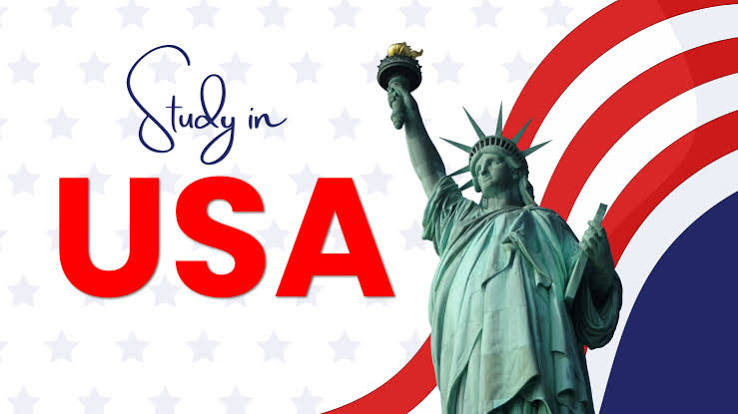


U.S. Student Visa: Students Can Now Receive Their Visa Up to One Year Before Their Program Starts
New Opportunity for International Students Planning to Study in the United States
International students planning to pursue higher education in the United States now have greater flexibility in planning their visa applications. Under the current U.S. Department of State guidance, new F-1 and M-1 student visas can be issued up to 365 days before the official start date of the student's course of study.
This gives prospective international students an opportunity to complete their visa process well in advance rather than waiting until shortly before their academic program begins. However, students should understand an important distinction: being able to receive the visa up to one year in advance does not mean that students can enter the United States one year early.
According to the U.S. Department of State, students holding F or M visas generally may not enter the United States more than 30 days before the start date shown for their program.
What Does the 365-Day Rule Mean?
The rule applies to new students who have been accepted to an eligible U.S. educational institution and are applying for an F or M student visa.
For example, if a student's academic program officially begins on September 1, 2027, the student may be able to have an F-1 or M-1 visa issued as early as September 1, 2026, subject to visa-processing procedures and approval.
However, the student would generally still have to wait until within 30 days of the program start date to enter the United States using that student visa.
In simple terms:
Visa issuance: Up to 365 days before the program begins
U.S. entry: No more than 30 days before the program begins
This distinction is extremely important for students when planning flights, accommodation, orientation, and other arrangements.
Why Is This Important for International Students?
The ability to obtain a student visa earlier can provide several advantages.
1. More Time for Visa Preparation
Students can begin the visa process earlier and avoid leaving everything until the weeks immediately before their intended enrollment.
This can give students additional time to prepare their:
- DS-160 application
- Form I-20
- SEVIS requirements
- Financial documentation
- Academic documents
- Passport and other supporting documents
- Visa interview preparation
The U.S. Department of State recommends that students apply early because interview wait times can vary by location, season, and visa category.
2. Better Planning for University Enrollment
Receiving a visa well before the academic start date can make it easier for students to coordinate their plans with their university or college.
Students can communicate with their institution regarding:
- Orientation
- Housing
- Course registration
- Arrival arrangements
- Airport transportation
- Health-insurance requirements
- International student services
3. Reduced Last-Minute Pressure
International students often have to coordinate admission, visa processing, financial arrangements, travel, and accommodation at the same time.
An earlier visa process can provide additional planning time and potentially reduce the pressure associated with last-minute arrangements.
Who Is Eligible for This Student Visa Timing?
The 365-day issuance provision applies to new F and M students.
The F visa is generally used for students attending academic institutions such as universities and colleges, while the M visa is generally used for students attending qualifying vocational or other recognized nonacademic institutions.
Students must first be accepted by an appropriate SEVP-approved institution. After acceptance, the institution registers the student in SEVIS and issues the required Form I-20. The student can then proceed with the student-visa application process.
The 30-Day Entry Rule Still Applies
One of the most important points students should remember is that the 365-day visa issuance period does not change the 30-day entry restriction.
A student may receive a visa many months before the program starts, but F and M students generally cannot enter the United States more than 30 days before their program start date.
Example
Suppose:
Program Start Date: September 1, 2027
Earliest possible visa issuance: September 1, 2026
Earliest general entry date: August 2, 2027
The student could therefore have the visa in hand many months before traveling, but would still need to observe the 30-day entry window.
Students should check their Form I-20 and follow the instructions of their educational institution when planning their arrival.
Students Should Not Confuse Visa Issuance With U.S. Entry
A visa allows a traveler to seek admission to the United States at a port of entry. It does not by itself guarantee admission.
The U.S. Department of State explains that admission is ultimately determined by U.S. Customs and Border Protection at the port of entry.
Therefore, students should carry their required immigration and academic documents when traveling and follow all applicable entry requirements.
What Should Students Do After Receiving Their I-20?
Once a student has been admitted to a qualifying institution and receives a Form I-20, the student should carefully review the information on the document.
Students should make sure that important information such as:
- Name
- Date of birth
- School information
- Program information
- Program start date
- Program end date
is accurate.
Students should then follow the applicable SEVIS and visa-application procedures.
The U.S. Department of State states that students must have the appropriate Form I-20 and complete the relevant SEVIS process before applying for an F or M student visa.
Visa Interview Preparation Remains Important
Applying early does not guarantee visa approval.
Students should prepare carefully for their visa interview and be able to explain their academic plans clearly and truthfully.
Students should understand:
Why did you choose this program?
Why did you choose this institution?
How does the program relate to your academic background and future goals?
How will your education and living expenses be funded?
Applicants should provide accurate information and genuine documentation throughout the process.
The Department of State warns that intentional misrepresentation or fraud can have serious consequences for visa eligibility and admission to the United States.
What About Continuing Students?
The timing is different for students who are already enrolled.
According to the Department of State, continuing F and M students who remain enrolled at a SEVP-approved institution and in SEVIS may have their student visas issued at any time, subject to the applicable visa requirements.
Therefore, the 365-day provision is particularly relevant to new students beginning a new course of study.
Important Advice for Bangladeshi Students
For students applying from Bangladesh, early preparation can be especially useful because students need to coordinate admission, documentation, visa appointments, financial preparation, and travel arrangements.
However, students should always check the latest instructions from the U.S. Embassy in Dhaka and the U.S. Department of State before making important decisions.
Visa policies, appointment procedures, fees, and nationality-specific requirements can change.
SHARE
Expanded social media vetting planned; China slams the move
The US Embassy in India differentiates b/w visa rejections: a...
The British Council is currently in the middle of establishing...
According to the National Center for Education Statistics, the number...
Proverbs and other familiar sayings comprise a surprising chunk of...

Over the past few years, the scenario of admission to...
The US Department of Education has opened a civil rights...